
Egypt's Al Gabal Al Asfar Wastewater Treatment Plant in Qalyubia Governorate - EGYPT TODAY




CAIRO - JULY 31, 2026
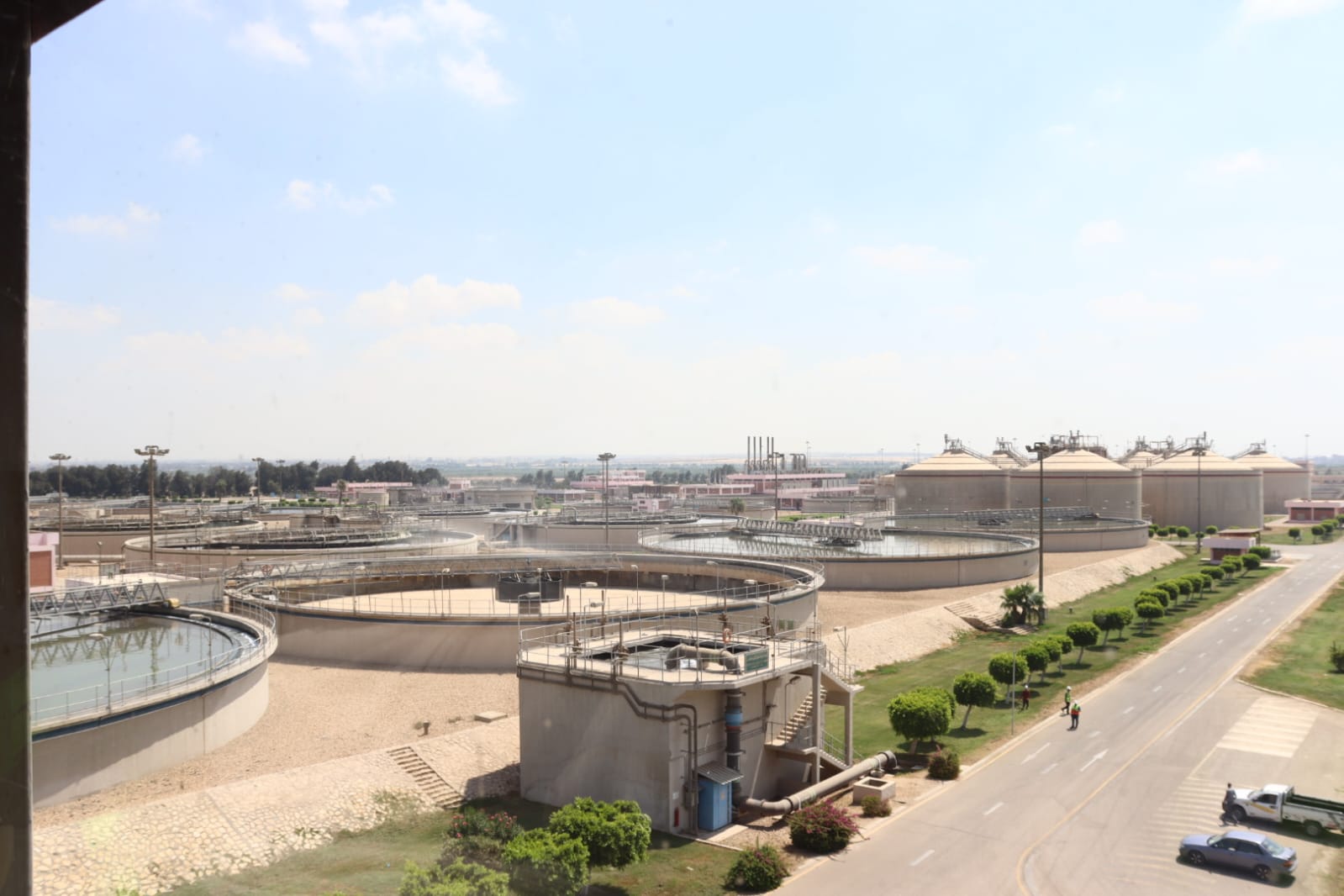


Hidden on the outskirts of Greater Cairo, the Al Gabal Al Asfar Wastewater Treatment Plant is quietly powering one of Egypt's most ambitious environmental success stories.
Far more than a conventional sewage treatment facility, the plant has become a cornerstone of Egypt's water security strategy, transforming millions of cubic meters of wastewater every day into a valuable resource for agriculture while generating much of its own energy through renewable sources.
As Egypt faces growing pressure on its freshwater resources amid rapid population growth and climate challenges, projects such as Al Gabal Al Asfar have become central to the country's long-term vision for sustainable development, environmental protection, and the circular economy.
What was once treated as waste has become one of Egypt's most valuable strategic resources.
Located in Qalyubia Governorate, Al Gabal Al Asfar is among the largest wastewater treatment plants in Egypt and the Middle East, serving Greater Cairo while treating wastewater from one of the country's most densely populated regions.
The project was implemented in two phases.
The first phase has a treatment capacity of 1.5 million cubic meters per day, while the second added one million cubic meters daily, bringing the plant's current operational capacity to 2.5 million cubic meters every day.
According to plant manager Eng. Abdel Wahab Helmy, work is planned to begin on a third expansion phase that will add another one million cubic meters per day, increasing the facility's total capacity to 3.5 million cubic meters daily.
Once completed, the expansion is expected to make Al Gabal Al Asfar the world's largest wastewater treatment plant in terms of treatment capacity.
The significance of Al Gabal Al Asfar extends well beyond wastewater treatment.
The facility represents one of Egypt's clearest examples of resource recovery, where what was once considered waste is transformed into water, energy, and reusable materials.
Wastewater entering the plant passes through advanced treatment processes that comply with international environmental standards before being reused.
The treated water is used to irrigate the plant's experimental farm and supports broader efforts to maximize the value of every cubic meter of water in a country that depends heavily on limited freshwater resources.
The project reflects Egypt's broader strategy of expanding non-conventional water resources to strengthen water resilience and reduce pressure on the Nile.
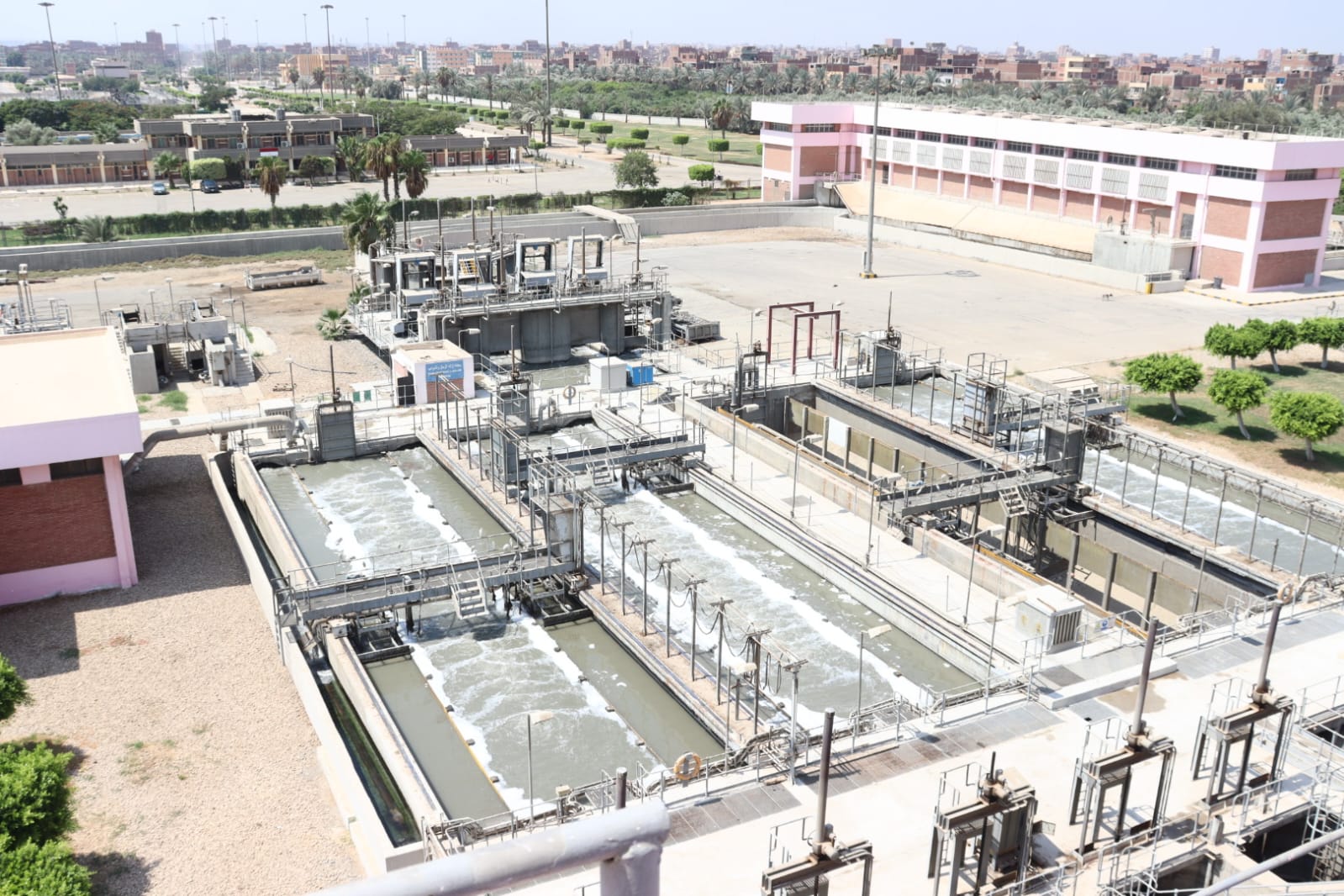
One of the plant's most innovative features is its ability to generate much of its own electricity.
Rather than disposing of sludge as waste, the treatment process converts it into biogas, which is then used to power electricity generators operating inside the facility.
This renewable energy system currently provides around 70% of the plant's operational electricity needs, significantly reducing energy costs while lowering environmental impacts.
The remaining treated sludge is reused in accordance with approved environmental standards, further reinforcing the plant's circular economy model.
Instead of treating wastewater as a disposal problem, Al Gabal Al Asfar recovers value from every stage of the treatment process by producing clean irrigation water, renewable electricity, and reusable by-products, creating a model for sustainable infrastructure.
Qalyubia Governor Eng. Hossam Abdel Fattah described Al Gabal Al Asfar as one of Egypt's most important national infrastructure projects, highlighting its advanced technologies and its role in serving millions of residents across Cairo and Qalyubia.
Beyond improving sanitation services, the governor said the project contributes to environmental protection, pollution reduction, water conservation, and more efficient use of energy resources.
The project also aligns with Egypt's broader sustainable development agenda by combining modern infrastructure with environmental innovation.
Expands non-conventional water resources and reduces pressure on freshwater supplies.
Generates most of its operational electricity using biogas recovered from sludge.
Reduces pollution while promoting sustainable reuse of treated wastewater.
Egypt has invested heavily over the past decade in modernizing its drinking water and wastewater sectors, viewing water infrastructure as a pillar of national development.
Projects like Al Gabal Al Asfar demonstrate a shift in thinking from simply disposing of wastewater to treating it as an economic and environmental asset.
As demand for water continues to rise, wastewater reuse, renewable energy generation, and advanced treatment technologies are expected to play an increasingly important role in safeguarding Egypt's water future.
Al Gabal Al Asfar stands as a powerful example of how engineering, sustainability, and long-term planning can work together to address some of the country's most pressing environmental challenges while creating lasting economic value.
As Egypt strengthens its water resilience, Al Gabal Al Asfar has emerged as more than a wastewater treatment facility. It is a national model for sustainable infrastructure, demonstrating how innovation, renewable energy, and resource recovery can help secure the country's future while protecting the environment for generations to come.

Be Social




Comments
Leave a Comment