
Coptic worshippers to gather for prayers during the Fast of the Virgin Mary in Egypt - EGYPT TODAY




CAIRO • AUGUST 1, 2026


As August begins each year, the spiritual rhythm of Coptic churches in Egypt and the diaspora starts to change.
Churches prepare for one of the most beloved and widely observed fasts among Copts: the Fast of the Virgin Mary, a season that blends fasting with prayer, repentance with praise, and spiritual discipline with deep communal joy.
For millions of believers, the fast is not seen simply as a period of abstaining from certain foods. It is a full spiritual season that invites worshippers to return to themselves, review their lives, renew their relationship with God, and reflect on the example of the Virgin Mary, who has long held a special place in Christian tradition as a model of obedience, humility, purity, and complete faith in God’s will.
That is why the fast is received not only with prepared tables, but with prepared hearts. In churches, monasteries, and homes, prayers begin before celebrations, and spiritual reflection comes before public festivities.
The fast is received not only with prepared tables, but with prepared hearts.
In the Coptic Orthodox Church, the Fast of the Virgin Mary begins on August 7 every year and lasts for 15 days, leading up to the Feast of the Virgin Mary on August 22.
The Catholic Church celebrates the Feast of the Assumption of the Virgin Mary on August 15, one of the most important Marian feasts in the universal Church.
Despite differences in liturgical calendars and traditions, the spiritual place of the Virgin Mary remains deeply cherished across Christian communities. For believers, she is honored as the “Mother of Light” and “Mother of the Church,” and many seek her intercession throughout the blessed days of the fast.
The message of the fast remains the same across traditions: a call to draw closer to God through fasting, prayer, repentance, and acts of love, inspired by Mary’s life of obedience and trust.
Key dates and spiritual practices associated with the Fast of the Virgin Mary
Preparations usually begin days before the fast officially starts, as churches announce special spiritual programs focused on the life and virtues of the Virgin Mary.
Daily sermons often reflect on her humility, purity, strength, and faith. Many churches also witness a noticeable increase in worshippers seeking confession, with priests often describing the fast as one of the strongest opportunities for believers to begin a new spiritual chapter.
The preparations extend beyond sermons. Churches intensify daily prayers, particularly midnight praises, which include hymns and glorifications dedicated to the Virgin Mary. These gatherings create a deeply reverent atmosphere shaped by prayer, silence, chanting, and reflection.
Churches expand early morning liturgies and evening prayer services during the fast.
Sermons focus on Mary’s humility, purity, service, strength, and faith.
Many believers use the season to review their spiritual lives and begin again.
Church leaders often stress that the true value of fasting lies not in the type of food consumed, but in the inner transformation of the person.
Still, the fast is traditionally observed through a plant-based diet, avoiding meat, dairy products, and eggs. Many believers also commit to a period of abstinence from food each day, with the length of that period varying according to personal ability and the guidance of each person’s father of confession.
Tables during the fast usually rely on legumes, vegetables, fruits, whole grains, rice, lentils, and other plant-based foods. Many worshippers also choose simplicity in meals, seeing the fast as an exercise in self-control rather than a change in diet alone.
Some believers follow stricter practices on Wednesdays and Fridays, with many abstaining from oil in line with church tradition.
The fast is understood as a discipline of the whole person, not simply a change in food.
One of the most distinctive features of the Fast of the Virgin Mary is the atmosphere created by hymns, praises, and Marian chants.
Churches fill with beloved hymns such as “Hail to you, Mary,” “Mother of Light,” and other traditional praises associated with this season. Children, youth, adults, choirs, and servants often join together in singing them during daily spiritual revivals.
These hymns combine ancient Coptic melodies with moving spiritual words, forming a language of devotion through which believers express their love for the Virgin Mary and ask for her intercession.
For many Coptic families, these hymns are among the strongest emotional memories of August, passed from one generation to the next.
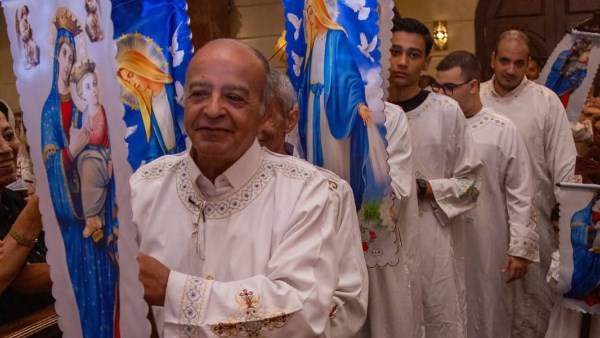
Children, young people, families, choirs, and church servants gather during August to sing Marian praises that have long formed part of Coptic communal and spiritual memory.
During the fast, many churches turn into active spiritual centers through what is known as the “revival of the Virgin Mary,” a daily program that usually continues throughout the 15-day period.
The day often begins with the Divine Liturgy in the early morning. In the evening, churches hold Vespers followed by a spiritual meeting or sermon focused on the Virgin Mary’s life or broader Christian themes.
Many churches also organize praise nights, choir services, and spiritual evenings, especially on Fridays and Sundays. Some programs are dedicated to children and young people, aiming to introduce them to the story of the Virgin Mary and plant spiritual values in their lives from an early age.
Each church announces its own program before the fast begins, while youth and servants often take part in organizing, welcoming worshippers, and supporting the daily services.
Divine Liturgy and personal prayer begin the day.
Vespers, spiritual meetings, and sermons focus on the Virgin Mary and Christian life.
Churches hold hymns, midnight praises, choir services, and Marian chants.
Special programs introduce younger generations to the story and virtues of the Virgin Mary.
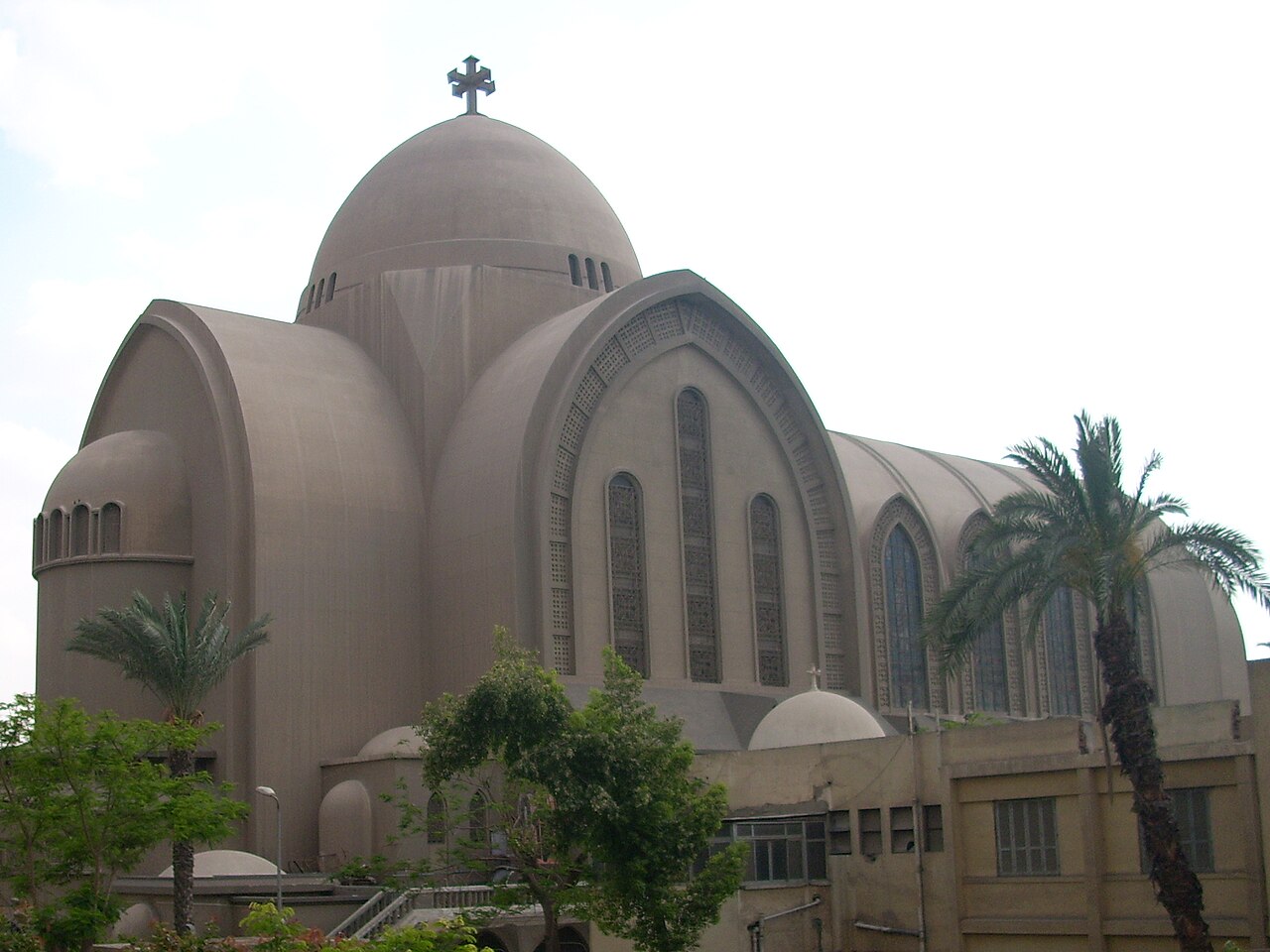
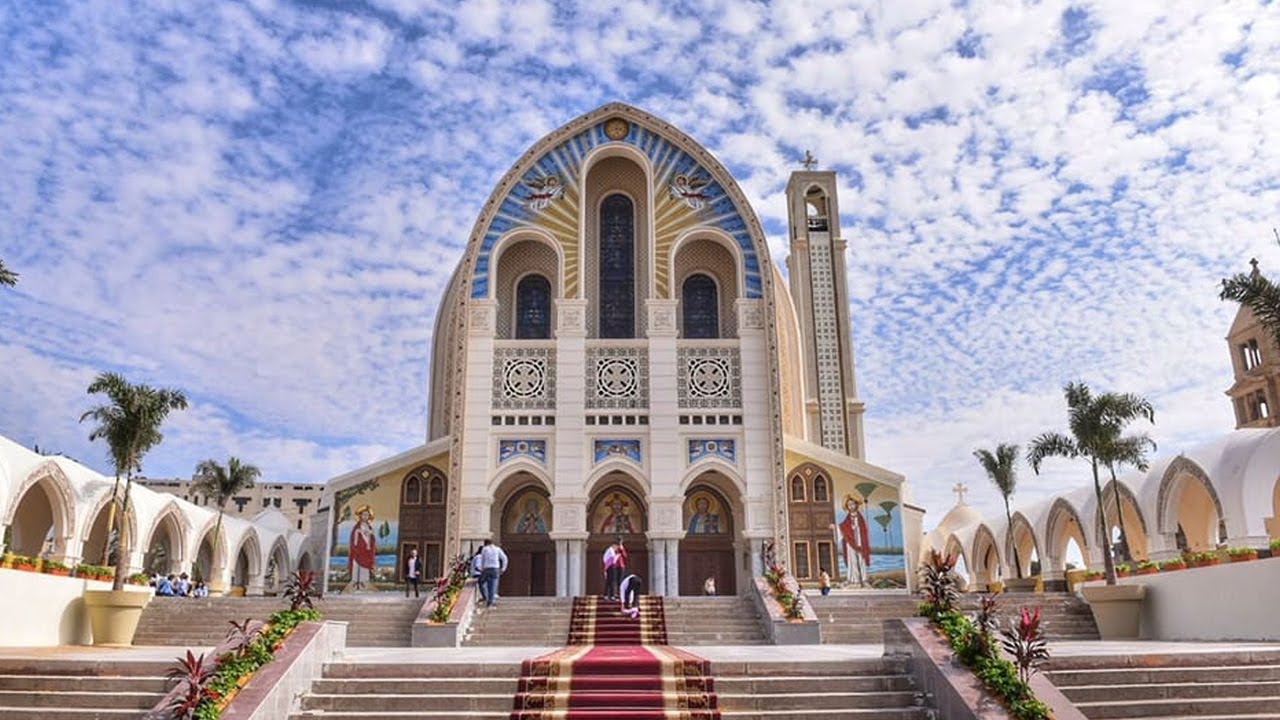
The celebrations are not limited to churches.
Several major Coptic monasteries become destinations for thousands of visitors during the Fast of the Virgin Mary, with worshippers travelling from different governorates to take part in prayers, fulfill vows, and seek blessing.
Among the most prominent destinations are the Monastery of the Virgin Mary in Drunka, Assiut; the Monastery of Gabal Al-Tair in Minya; and the Monastery of Al-Muharraq in Al-Qusiya.
These sites hold special significance in Coptic tradition because of their connection to the journey of the Holy Family in Egypt.
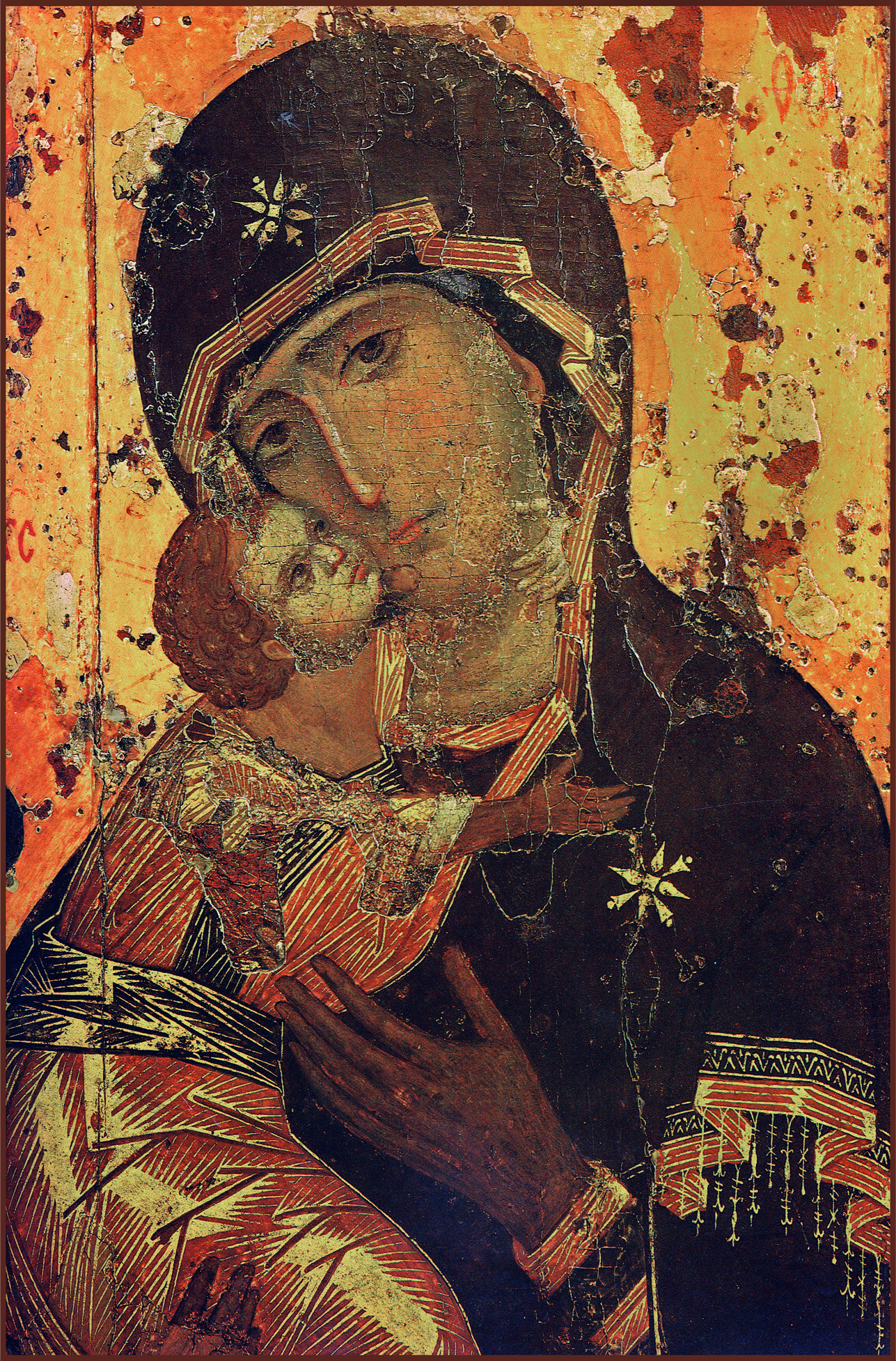
During the season, churches and monasteries are often decorated with icons, flowers, and candles. In some places, symbolic processions carrying the icon of the Virgin Mary are held amid hymns, praises, and prayers.
Despite differences in traditions and liturgical practices among churches, the Virgin Mary remains a point of spiritual unity for millions of Christians.
She is loved and honored as the mother of Jesus Christ and as a model of obedience, patience, service, humility, and trust in God.
For this reason, the Fast of the Virgin Mary becomes each year a season that renews shared spiritual feelings among believers. Many find in her life a source of comfort, hope, and strength, especially during moments of personal hardship or uncertainty.
Across churches, generations, and countries, the Virgin Mary remains a shared symbol of faith, humility, comfort, and hope.
The Fast of the Virgin Mary remains far more than an annual church tradition.
It is a season in which hearts are renewed before rituals are performed, and souls are invited to rediscover prayer before celebration. It is a time when hymns rise above the noise of daily life, and when believers seek stillness, repentance, and hope.
As August 7 approaches, churches across Egypt prepare to receive thousands of worshippers. Candles are lit, programs are announced, choirs rehearse, and bells prepare to mark the beginning of a new season of prayer.
For millions of Copts, the Virgin Mary, the Mother of Light, remains present in memory, worship, and devotion — an inspiration for generations walking the path of faith, love, and humility.
The Fast of the Virgin Mary brings together the most personal and communal dimensions of Coptic spiritual life: private repentance, shared worship, ancient hymns, family memories, monastery visits, and a renewed commitment to faith.
As churches prepare for the fast, its enduring message remains one of simplicity and transformation: that true celebration begins within the heart, and that faith becomes most visible through humility, service, love, and hope.

Be Social




Comments
Leave a Comment