
Trump said operations against Iran were “going well,” adding that the United States only needed to “keep winning” - EGYPT TODAY




CAIRO • AUGUST 1, 2026

Tensions around Iran and the Strait of Hormuz have risen again after a period of relative calm, with U.S. President Donald Trump warning of stronger strikes against Tehran and senior American officials saying Washington’s military and economic pressure campaign would continue.
Trump said operations against Iran were “going well,” adding that the United States only needed to “keep winning” until Iran is eventually forced to back down.
“What we can do is continue winning, and then something will eventually happen regarding Iran. Iran will ultimately have no choice but to retreat.”
The comments renewed concerns that Washington could resume or expand attacks on Iran, at a time when the Strait of Hormuz remains at the center of a wider confrontation over military pressure, economic restrictions, and freedom of navigation.
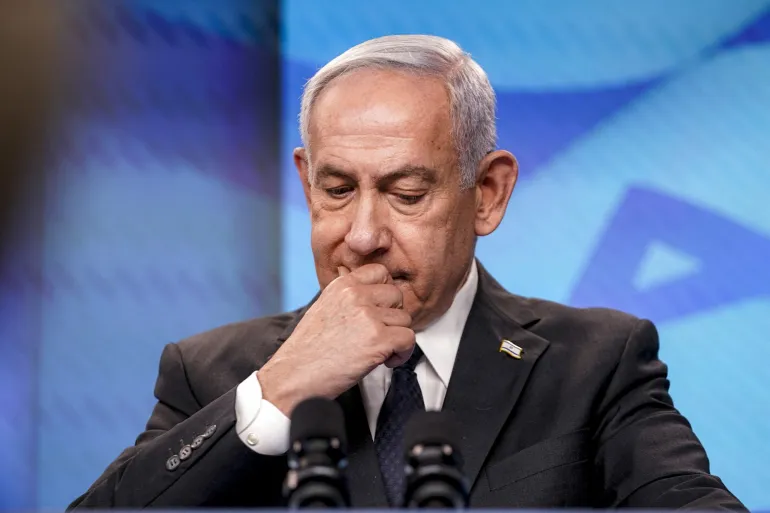
An Israeli official said Netanyahu presented Trump with options involving an enforceable nuclear agreement, a tighter economic blockade, or renewed military strikes against supply routes.
U.S. Treasury Secretary Scott Bessent said Washington’s efforts to besiege Iran militarily and economically would “never stop,” according to Fox News.
He said the United States would continue pursuing Iranian funds around the world and would ensure they reach the Iranian people, as well as claimants in the United States and those harmed by Iran.
His remarks came as Washington continued to frame its pressure campaign as both military and economic, including operations referred to as “Epic Fury” and “Economic Fury.”
The United States is presenting its campaign as a combination of military force, financial restrictions, and international asset recovery.
Israeli Defense Minister Israel Katz said Israel would join an attack on Iran if Trump asked Tel Aviv to take part.
His comments came as Israeli and U.S. officials continued discussions over possible paths forward in the confrontation with Tehran.

Israel’s defense minister said the country would participate in renewed attacks on Iran if requested by the U.S. president.
According to CBS, U.S. intelligence assessments indicate that further bombing operations against Iran would not be enough to overthrow the Iranian system, which officials said remains controlled by the Islamic Revolutionary Guard Corps.
An Israeli official, cited by the same network, said Prime Minister Benjamin Netanyahu presented Trump with three options for the war.
A deal focused on removing Iran’s nuclear material under enforceable conditions.
A wider blockade combined with intensified economic restrictions.
Renewed attacks focused mainly on land routes used to transport supplies.
The Israeli official added that Netanyahu now understands the sensitivity of appearing to push Trump toward a particular course in the war, describing the relationship as one in which Trump is the senior partner and Israel the smaller partner.
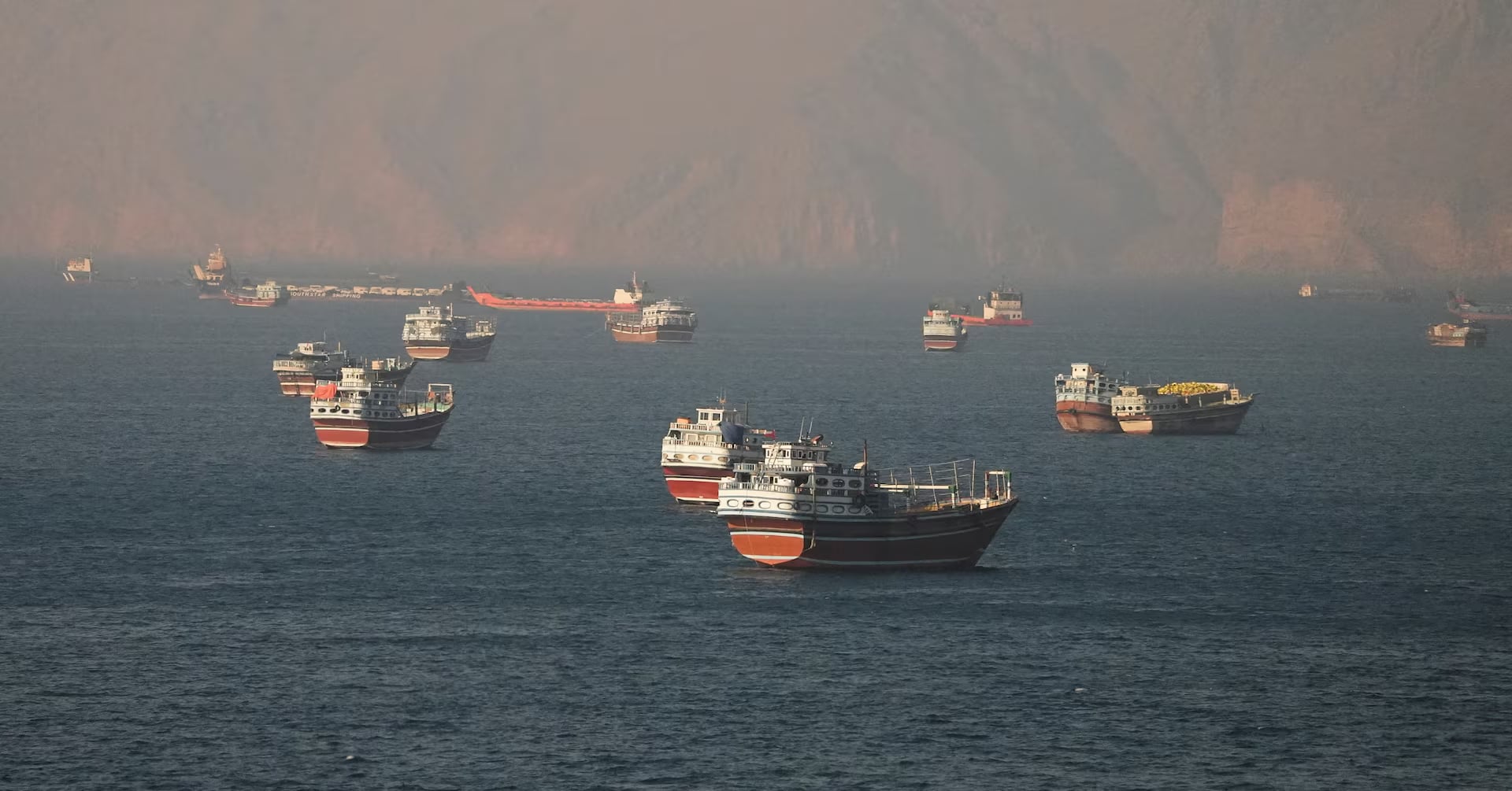
The Strait of Hormuz remains one of the most sensitive points in the crisis, with each side insisting on its right to control or secure maritime movement according to its own terms.
Iran renewed its assertion of full control over the waterway.
The Iranian authority responsible for managing the Strait of Hormuz said passage through the strait was not possible because of what it described as aggressive measures by U.S. forces.
It added that requests for passage would be reviewed once calm and stability are restored in the region.
At the same time, the naval command of Iran’s Revolutionary Guard rejected what it called U.S. claims that navigation through the strait was continuing normally and under American monitoring, describing those statements as false.
The command insisted that the Strait of Hormuz was closed and that any passage through the waterway would only be possible after coordination with Iranian forces.
Iran says ships can only cross after coordination with its forces, while Washington maintains that maritime navigation continues under international protection and monitoring.
Despite Iran’s statements, maritime data showed that some commercial ships continued to pass through the strait.
According to MarineTraffic data cited by CNN, at least 15 commercial vessels crossed the Strait of Hormuz over the past 24 hours, one more than the previous day.
The data showed that 10 vessels entered the Gulf, including seven cargo ships and three oil tankers, while five vessels left toward the Gulf of Oman, including three cargo ships and two oil tankers.
Commercial traffic remains only a fraction of normal pre-war levels.
Before the war, the average number of vessels crossing the Strait of Hormuz stood at around 120 ships per day, highlighting the scale of disruption facing one of the world’s most important maritime routes.
The sharp decline in traffic underscores the widening economic and strategic risks of the crisis, as any prolonged disruption in the strait could deepen concerns over energy flows, shipping costs, and regional security.
Prolonged disruption could affect oil and gas flows through the Gulf.
Higher insurance and operational risks could increase freight costs.
Competing military claims increase the risk of further confrontation.
The latest statements from Washington, Tehran, and Tel Aviv show that the confrontation remains unresolved despite the recent period of relative calm.
With military threats rising, economic pressure continuing, and shipping traffic still severely disrupted, the Strait of Hormuz remains the point where regional conflict, global energy security, and international maritime movement converge.

Be Social





Comments
Leave a Comment