
International mediators welcomed an agreement on Gaza’s weapons file and the next phase of the ceasefire roadmap - EGYPT TODAY




CAIRO • AUGUST 1, 2026


A wave of international support followed the announcement of an agreement on the weapons file in Gaza, amid rising hopes that the deal could mark a turning point toward ending the war, restoring stability, and opening a new political and humanitarian phase for the strip.
The agreement, reached through mediation led by the United States and backed by Egypt, Qatar, and Turkey, sets out a roadmap for the second phase of the ceasefire arrangement.
It includes the formation of a national committee to administer Gaza, the continuation of Israeli withdrawal, arrangements for dismantling and storing heavy weapons, the deployment of an international stabilization force, and the launch of reconstruction efforts under international oversight.
The announcement was widely welcomed by European and international officials, who described it as a constructive step, while stressing that its success would depend on full implementation by all parties.
The agreement has opened the door to a new phase, but its credibility will be measured by implementation on the ground.
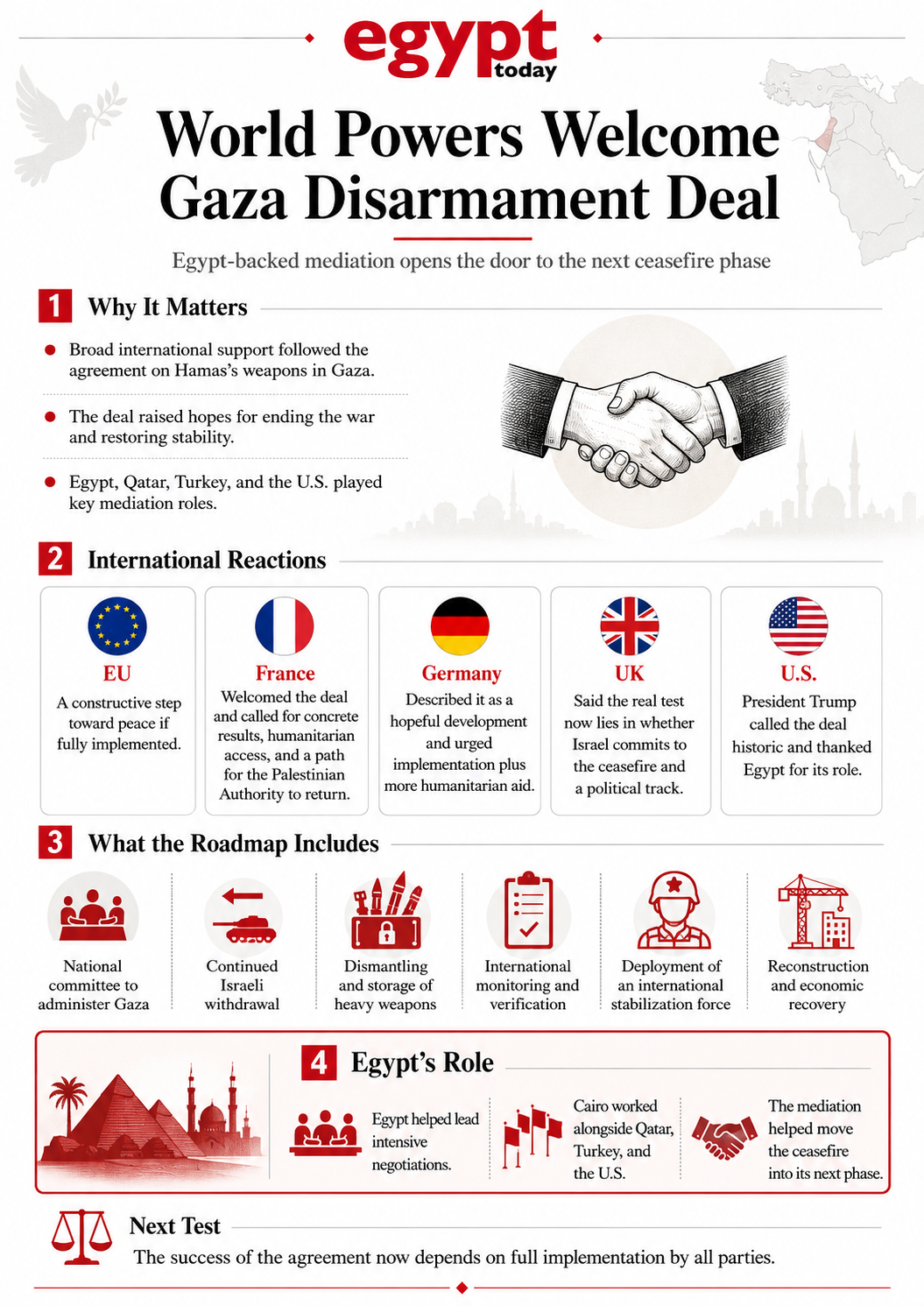
Core elements contained in the roadmap for the next stage of the ceasefire
European Union foreign policy chief Kaja Kallas welcomed the announcement of the agreement on arms in Gaza, saying the plan could become a “constructive step toward peace” if fully implemented.
In a post on X, Kallas said many elements still need to be achieved for the agreement to succeed, adding that success depends on the full commitment of all parties.
She affirmed that the European Union is ready to support the next steps, including the entry of the national committee that will manage Gaza and the international stabilization force.
Kallas also pointed to the role of the EU’s missions on the ground in supporting Palestinian state-building efforts.
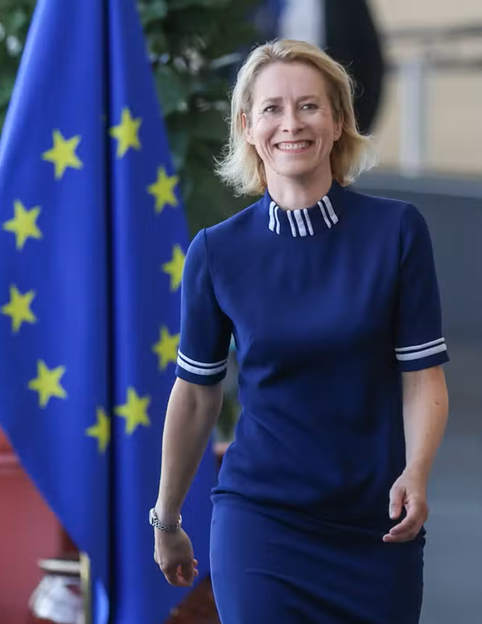
Kallas said the agreement could advance peace if all parties fully respect its terms, adding that the EU is prepared to support Palestinian administration, stabilization, and state-building efforts.
The EU remains the largest donor of humanitarian aid to Gaza. In July, the bloc pledged 900 million euros to fund projects aimed at helping Gaza recover from the effects of the war.
France also welcomed the announcement of the agreement on Hamas’s weapons, praising the diplomatic efforts made by the United States and regional mediators, particularly Egypt, Qatar, and Turkey.
In a statement on Friday, the French Ministry for Europe and Foreign Affairs said the agreement must now be translated into concrete results, including the start of Israeli military withdrawal and the deployment of an international force to stabilize the situation in support of Palestinian security forces and police.
France said these steps should be carried out in accordance with UN Security Council Resolution 2803.
The ministry added that, in the long term, the process should pave the way for the return of the Palestinian Authority to Gaza.
France also renewed its call for large-scale humanitarian access to the strip.
German Foreign Minister Johann Wadephul described the agreement as a “hopeful development,” while warning that the central challenge now lies in turning the understandings into practical steps.
He said the coming phase must lead to the actual disarmament of Hamas in a way that ensures it cannot pose any future threat.
Wadephul also focused on the humanitarian situation in Gaza, urging Israel to take urgent measures to expand the opening of border crossings to allow aid to flow into the strip and ease severe suffering.
He affirmed that Germany is ready to continue providing humanitarian support and to contribute actively to recovery and reconstruction efforts.
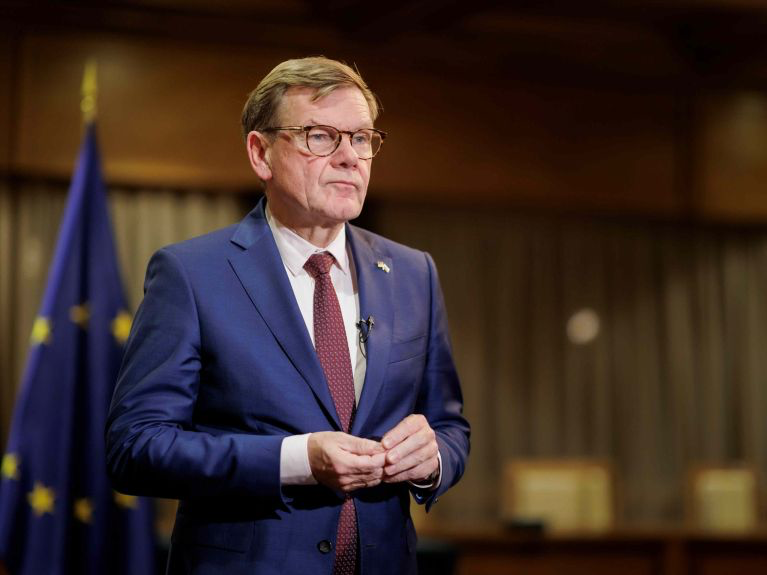
Wadephul said practical disarmament must be accompanied by expanded humanitarian access and sustained international support for Gaza’s recovery.
Britain welcomed any progress in the peace process, with British official Louise Haigh saying the disarmament step represents a positive development that has been broadly welcomed by the international community.
Haigh said attention now turns to the position of the Israeli government and whether it will fully commit to the ceasefire.
She called for building on the agreement to open a political track that includes the withdrawal of Israeli forces from Gaza and steps to halt settler violence and continuing violations in the West Bank.
She added that suffering in Gaza and the wider region has reached harsh and unacceptable levels, saying the human cost of the war makes swift movement toward peace an urgent necessity.
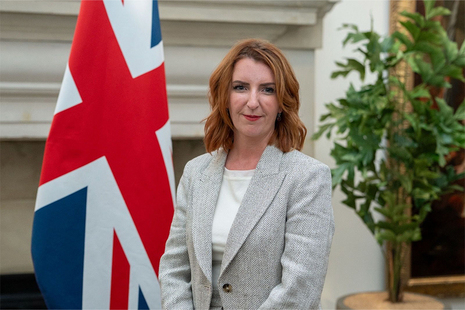
Haigh said the international community must now assess whether the Israeli government will fully implement the ceasefire and support a wider political path.
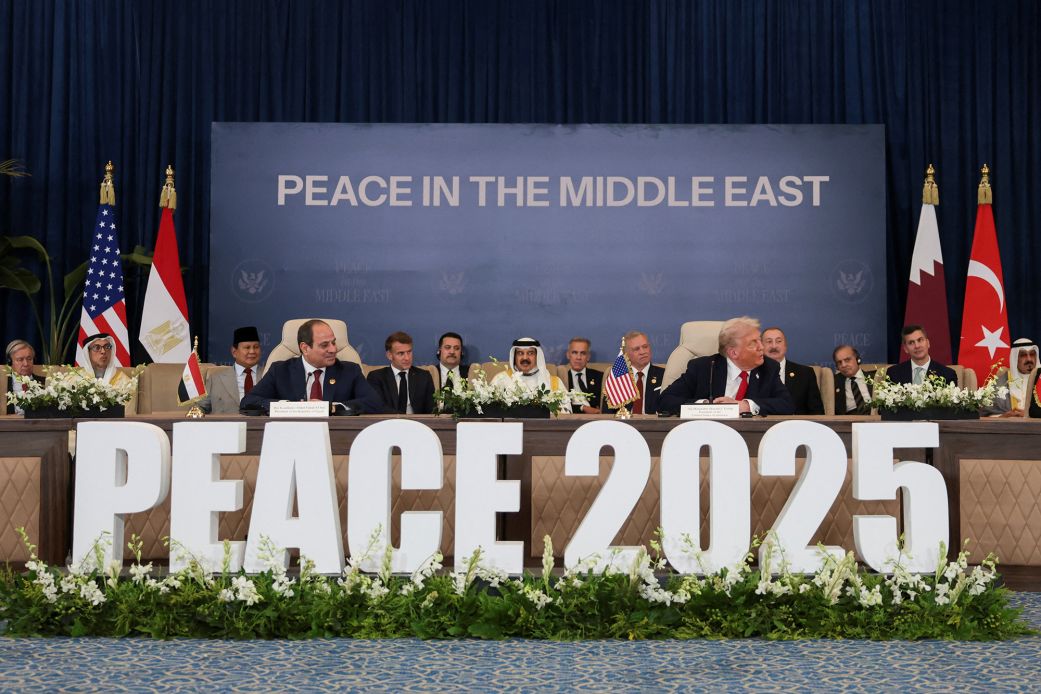
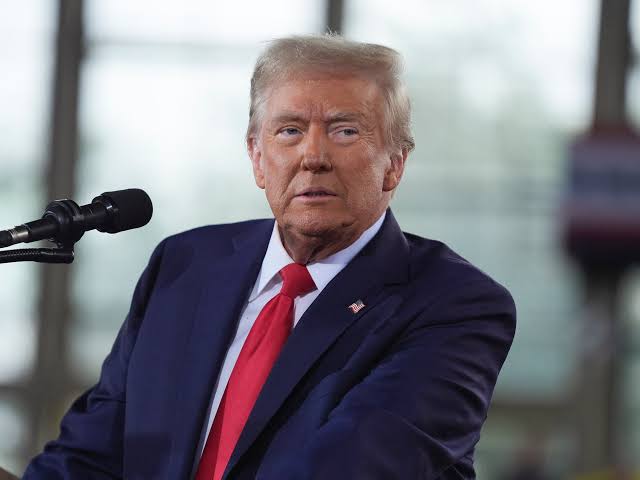
U.S. President Donald Trump thanked the Egyptian authorities for their efforts in completing the agreement and setting out a roadmap for implementing the second phase of the Gaza ceasefire.
Trump described the agreement as “historic” and a major step toward lasting peace and security.
He said the deal represents a decisive move toward the administration of Gaza by a new Palestinian government working in cooperation with the Peace Board, in a way that serves the Palestinian people and ensures that the strip is not used again as a launching point for attacks.
Trump described the deal as a major step toward lasting peace, Palestinian administration, and a Gaza that would no longer be used as a base for attacks.
Nikolay Mladenov, head of the Gaza Peace Board, also thanked Egypt for its role in the talks.
He expressed gratitude to the U.S. president, the United Nations, Egypt, Qatar, and Turkey for their support and for helping keep the parties engaged in negotiations at moments when leaving the room would have been easier.
Mladenov said the mediators played a key role in sustaining the process until the agreement was reached.
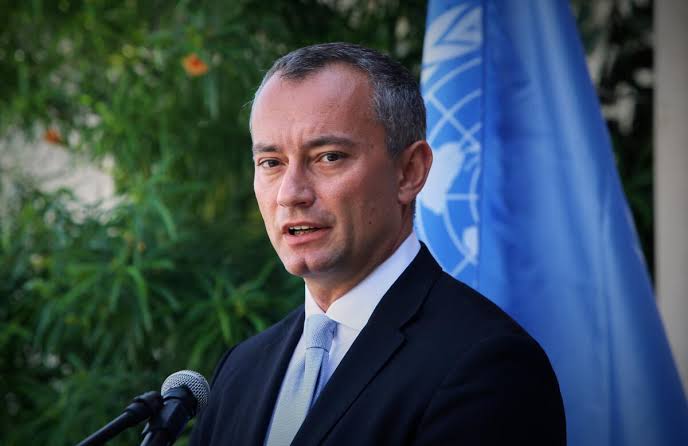
Mladenov said Egypt, the United States, Qatar, Turkey, and the United Nations helped prevent the talks from collapsing during difficult moments.
Egypt, alongside Qatar, Turkey, and the United States, led intensive negotiations that resulted in an agreement to move into the second phase of the ceasefire after Hamas announced its approval of the roadmap for implementing the next stages.
The roadmap sets out arrangements for ending the war, restoring normal life in Gaza, enabling Palestinian administration, launching reconstruction and economic recovery, and eventually opening a political path that guarantees the Palestinian people’s right to self-determination and statehood.
The document also commits the parties to Trump’s plan and UN Security Council Resolution 2803 of 2025 as the international framework governing the implementation of the agreement.
The agreement emerged from sustained negotiations led by four principal mediators:
Under the roadmap, a national committee will be formed to administer Gaza and oversee civil affairs and public services during the transitional phase.
The committee will also review the strip’s financial and administrative conditions and manage public assets and resources.
It will become the only body authorized to possess and control weapons during the transitional phase, according to the document.
The roadmap also includes the continuation of Israeli withdrawal and the launch of reconstruction according to a defined timetable and specific implementation mechanisms.
The committee assumes responsibility for civil administration and public services.
Gaza’s financial position, public resources, and administrative structures are assessed.
The committee becomes the sole authorized body controlling weapons during the transition.
Recovery projects proceed according to agreed timetables and implementation mechanisms.
The agreement requires Israel to complete its commitments to halt military operations, while Hamas and other Palestinian factions commit to stopping operations.
Implementation mechanisms for the second phase are to be prepared within 14 days of the adoption of the roadmap.
The document also calls for the creation of an international verification committee to monitor implementation, with movement from one phase to the next linked to full verification of the parties’ commitments.
An international monitoring mechanism will also be established to track violations.
The roadmap includes the dismantling and storage of heavy weapons, military production sites, and tunnels, in parallel with the gradual Israeli withdrawal.
It stresses that no weapons should be transferred to Israel or any non-Palestinian party.
The document also provides for the deployment of an international stabilization force in Gaza.
The force would monitor the ceasefire, secure the delivery of humanitarian aid, and train Palestinian police, without interfering in the internal administration of the strip.
The international response to the agreement reflected cautious optimism.
While world powers welcomed the announcement as a possible opening toward peace, their statements made clear that the real test will be whether the parties translate the roadmap into action on the ground.
For Egypt and the other mediators, the agreement marks a diplomatic achievement.
For Gaza, its success could determine whether the strip moves from war and collapse toward administration, reconstruction, and a political process after months of devastation.
The Gaza roadmap brings together security arrangements, Palestinian administration, international supervision, humanitarian access, and reconstruction within one transitional framework.
Its promise is significant, but so are the risks. The coming phase will reveal whether the agreement becomes the foundation of a durable political and humanitarian transition, or another diplomatic document left unimplemented.

Be Social





Comments
Leave a Comment