
Dutch Archaeological Mission Discovers New Ramesside-Era Tomb in Luxor’s West Bank.




A Dutch archaeological mission working in the Theban Necropolis, led by Dr. Karina van den Hoven of Leiden University, has uncovered a tomb in the Lower Sheikh Abd el-Qurna area on Luxor’s West Bank during the current excavation season.
Sherif Fathy, Egypt’s Minister of Tourism and Antiquities, praised the efforts of archaeological missions operating across the country, emphasizing that their discoveries continue to reveal new secrets of ancient Egyptian civilization and further strengthen Egypt’s position as a leading global cultural destination.
Dr. Mohamed Ismail Khaled, Secretary-General of the Supreme Council of Antiquities, explained that the newly discovered tomb lies east of Theban Tomb No. 45, where the mission has been conducting archaeological and field research since 2018 in cooperation with the Ministry of Tourism and Antiquities. The project focuses on preventive conservation, risk management, and producing the first comprehensive archaeological study of the area as part of the ministry’s commitment to preserving Egypt’s heritage for future generations.
He added that inscriptions inside the tomb identify its owner as a man named Paser, and that the artistic style of the decorations suggests the tomb dates to the Ramesside Period.
Khaled noted that the research team will continue documenting and studying the tomb to determine the identities of those buried there, reconstruct their biographies, and examine the tomb within its broader historical and archaeological context. The work is expected to provide deeper insight into the relationship between the area’s tombs and their surrounding environment, while shedding light on the historical and cultural development of Lower Sheikh Abd el-Qurna.
Mohamed Abdel Badie, Head of the Egyptian Antiquities Sector at the Supreme Council of Antiquities, said the tomb follows the typical architectural layout of private tombs in Thebes during the New Kingdom. It consists of an open courtyard, a rock-cut chapel in the shape of an inverted T, and underground burial chambers.
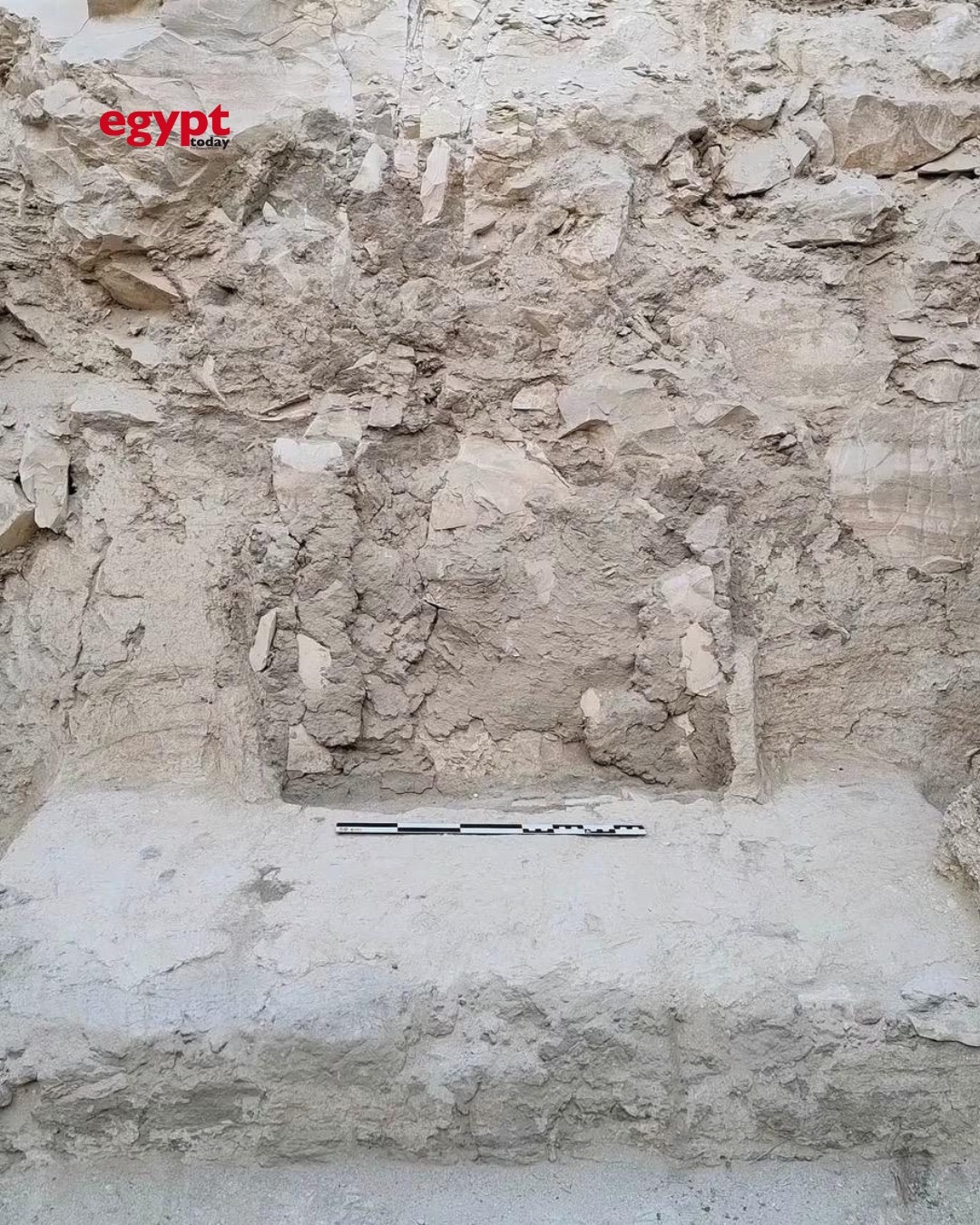
He added that the courtyard preserves several architectural features in excellent condition, including a mudbrick bench with a central niche designed to hold a funerary stela, as well as a staircase flanked by sloping ramps leading to the tomb entrance.
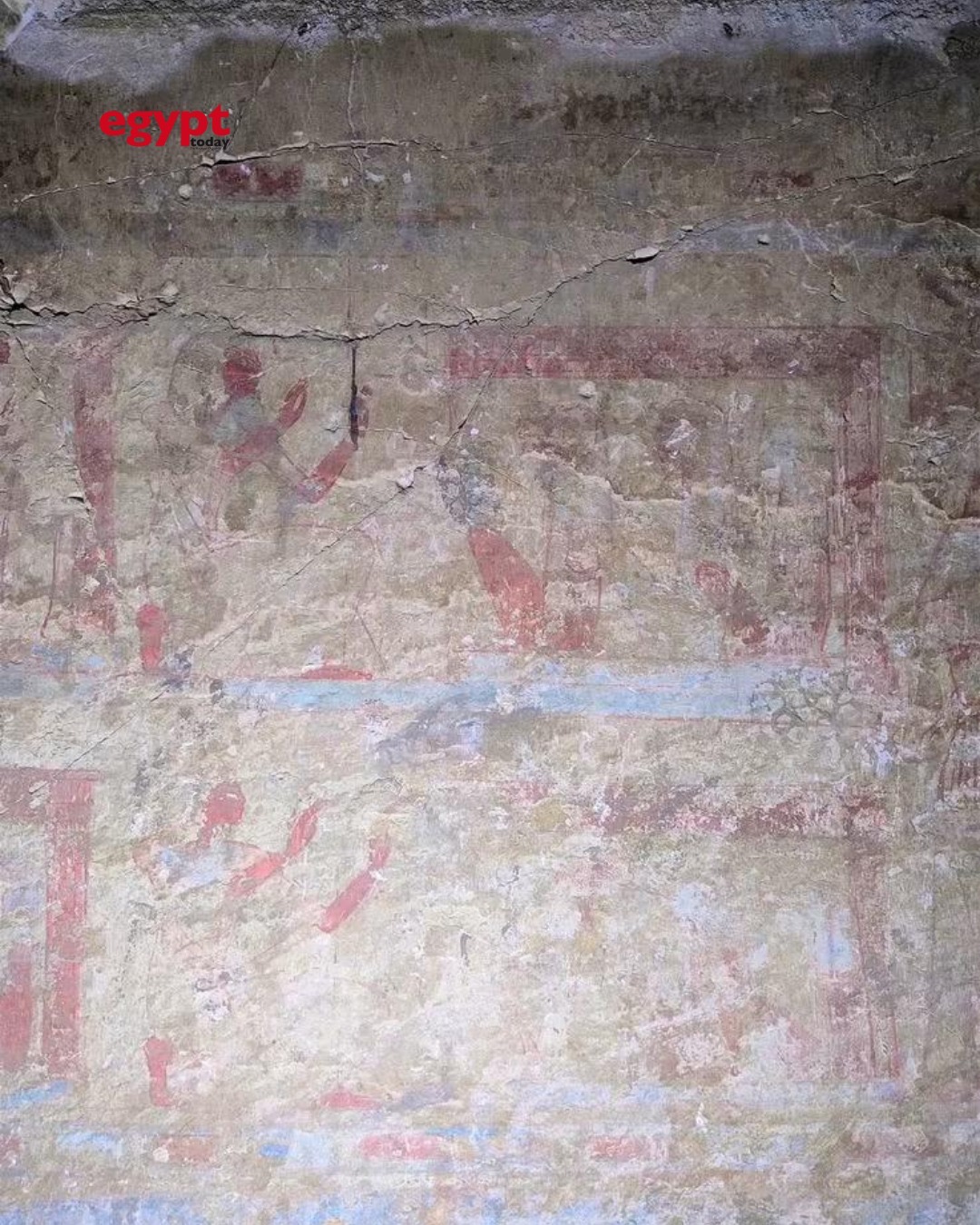
The tomb also contains several scenes bearing the name Paser. Although parts of the painted wall decorations remain covered by a thin layer of dirt, visible scenes depict him worshipping various deities inside shrines and appearing alongside his wife before an offering table.
Dr. Karina van den Hoven, head of the Leiden University mission, said the team plans to begin structural stabilization, conservation, and restoration of the tomb’s painted decorations during upcoming excavation seasons. She expressed her enthusiasm for continuing work at the site and hoped that future seasons would lead to additional archaeological discoveries.

Be Social




Comments
Leave a Comment